Six words that open doors
Spanish in Cuba is quick and full of its own words. These are the ones a visitor hears on the first day.
soltura
sol·tu·ra, noun, Spanish
- Ease; the loose, unhurried way of moving.
- Fluency in a language, or in a place.
This site is about the second meaning: reading Cuba well enough, before and during the trip, to travel it on your own, from the tobacco valleys of the west to the end of the road at Baracoa.
West to east, stop by stop
The craft of the trip
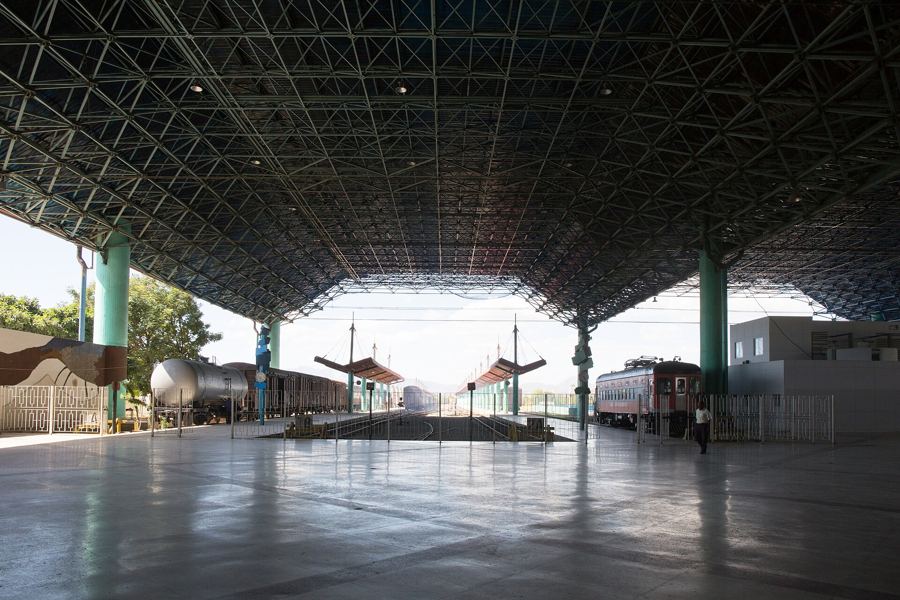 Getting around Cuba: buses, colectivos and trainsBook buses ahead in busy seasons, travel by day, and leave a spare day before flights. Ask your host to call a colectivo; never plan two long legs back to back.
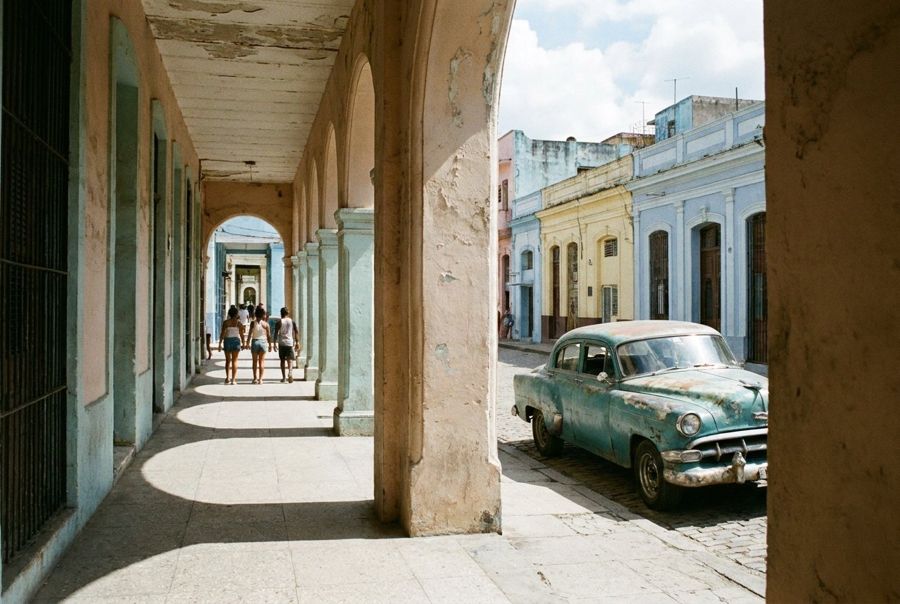 Money, cards and the internet in CubaArrive with more cash than you think you need, kept in two places. Change a little at a time, download maps before landing, and treat internet as a bonus.
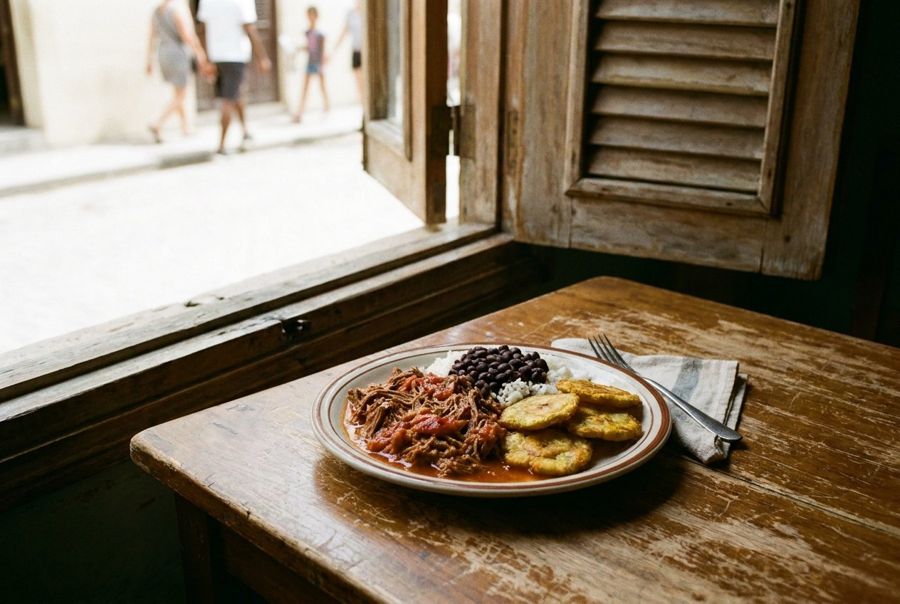 Eating at Cuban tablesEat where locals send you, not where touts point. Ask what is fresh today rather than reading the menu, drink bottled water, and tip in small notes.
The island in four legs
Cuba is long and narrow, about 1,200 kilometres from Cabo San Antonio to Punta de Maisí. These pages follow it in order, west to east, the way the main road does.
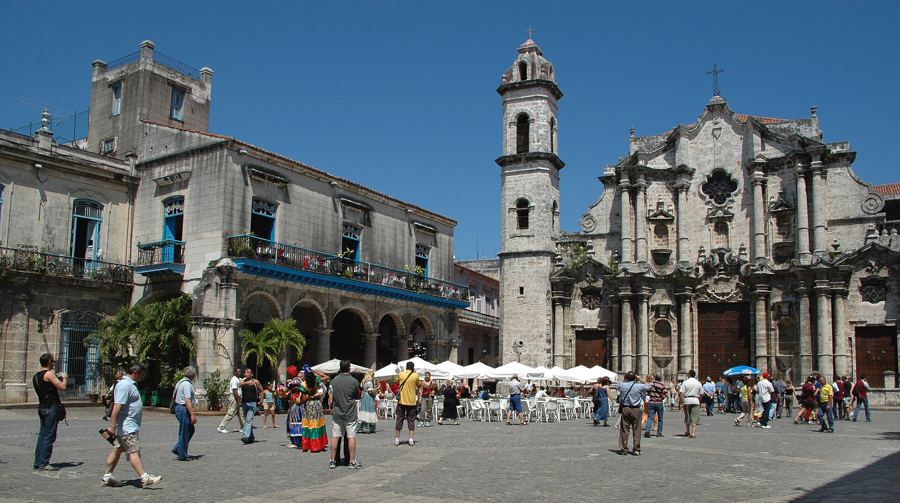
Havana
Old squares, the sea wall, Miramar's avenue and the harbour forts.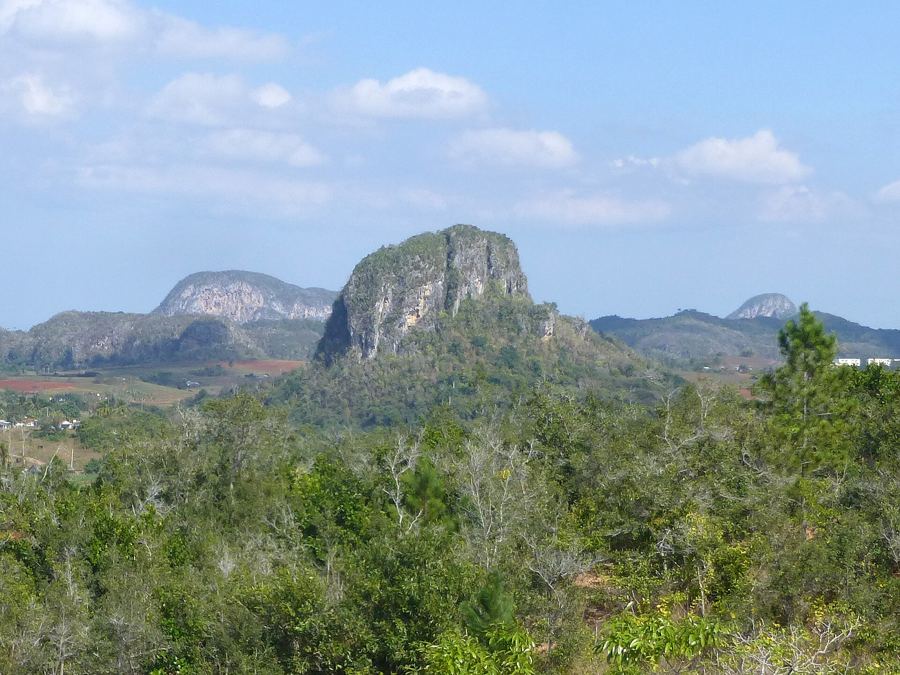
The west
Limestone towers, tobacco barns and the hills of the Sierra del Rosario.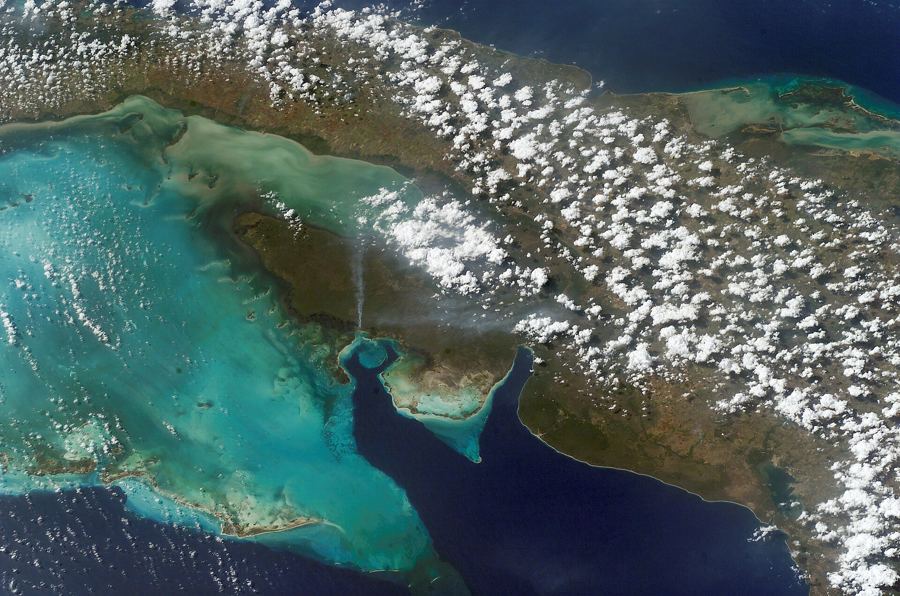
The centre
A French-founded bay, sugar-baron streets, a swamp and a battle town.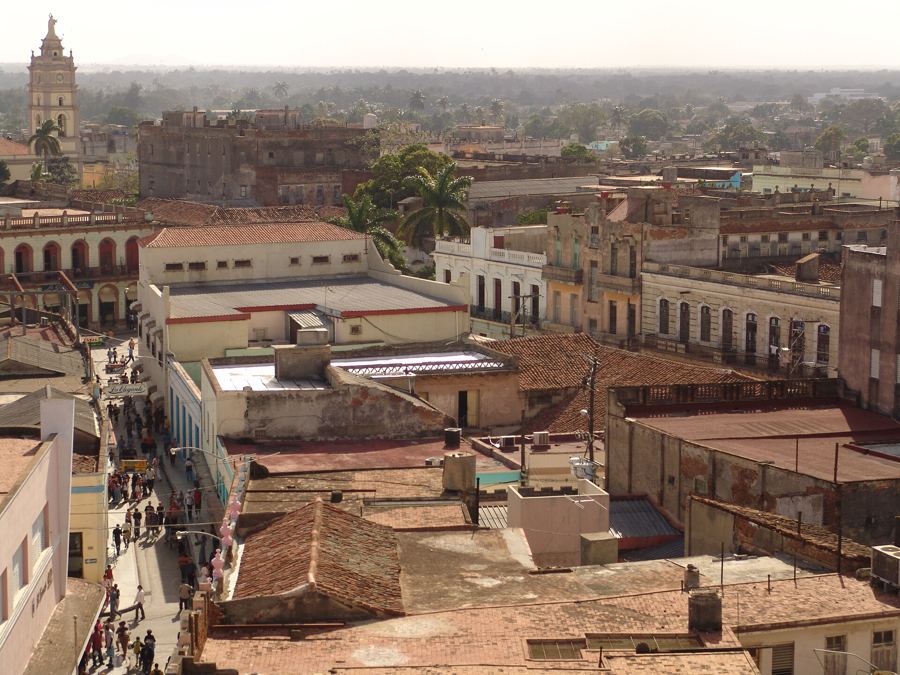
The east
Camagüey's maze, Santiago's heat, a pilgrim shrine and the road to Baracoa.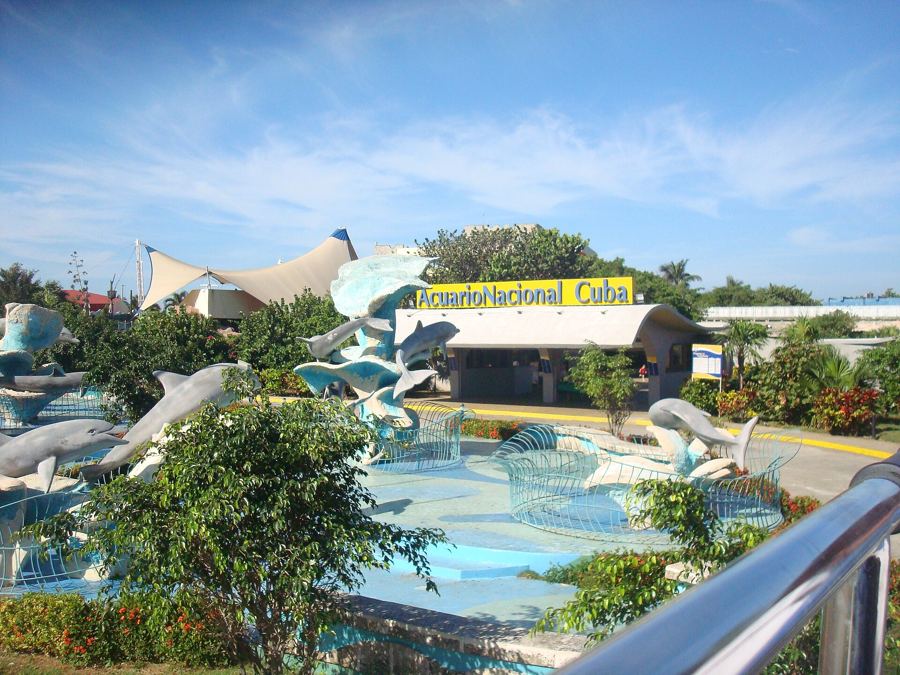
i
Photograph by Susan Laris J, CC BY-SA 4.0On the Miramar shore
Miramar, Fifth Avenue and the National Aquarium
West of the Almendares river, Havana turns suburban: mansions, embassies and a long, tree-lined avenue. The National Aquarium and the riverside woods make a calm day away from the old city.